

Overcoming Rejection and Objections in LinkedIn Prospecting
LinkedIn is like a treasure chest for professionals, full of opportunities waiting to be discovered. But as you start reaching out to potential connections and clients, you’ll face hurdles. This article will help you handle objections in LinkedIn prospecting and make unlocking those opportunities a lot easier.

Understanding Objections in LinkedIn Prospecting
LinkedIn prospecting is like fishing in a vast ocean of professionals. You cast your net by sending connection requests and messages, hoping to reel in potential clients or business partners. Just like fishing, it takes time before you land your first catch, and even longer before you land a big one.
Picture this: you’re a B2B SaaS professional trying to connect with a promising prospect. You send a connection request and get back “Not interested.” What do you do now? That’s an objection, and knowing how to handle it separates average SDRs from great ones.
Common Objections You Will Face
The “I’m Not Interested” Line
This objection usually comes up when your prospect doesn’t see the immediate value in connecting with you. The fix is straightforward: craft a compelling message that highlights the specific benefits of your connection. Sharing a relevant stat about your product’s success or a quick win for someone in their role can make your value impossible to ignore.
The “I Don’t Have Time” Line
Busy professionals are hesitant to engage because their time is genuinely limited. Your move here is to be quick and meaningful. Share a concise article, a short video, or a single hyper-relevant statistic tied directly to their company or role. Anything that delivers value without wasting their time will make this objection disappear fast.
The “I Already Have a Solution” Line
A common mistake SDRs make is assuming the prospect already knows whether they need the product. Sometimes they don’t know what they’re missing. When this objection comes up, highlight a problem they may not realize they’re facing, or suggest improvements to their current approach. A relevant case study showing how your solution outperformed competitors in a similar situation works well here.
Strategies to Overcome Objections
Personalize Your Outreach
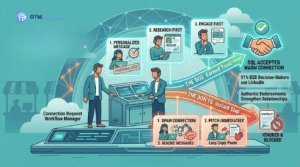
Personalization works in prospecting just as much as it does in cold calling. Tailor every connection request or message to the individual. Mention something specific from their profile, a recent post they shared, or a company milestone. Show them you’ve done your homework.
Highlight Benefits Early
Don’t sell features. Sell benefits. Instead of listing what your product does, focus on what the prospect gains by connecting with you. Your pitch should always center on how you add value to their world, not yours.
Example: “Connect with me to get access to exclusive industry insights that help teams like yours stay ahead of the competition.”
Build Relationships, Not Just Connections
If you’re in this for the long run, act like it. Don’t rush straight into a pitch. Start by engaging with their content, leaving thoughtful comments, and showing genuine interest in what they’re working on. Build a transition naturally before introducing your product. Abrupt pitches kill conversations.
Treat Rejection as Part of the Process
Objections in LinkedIn prospecting are more common than most SDRs expect. Not everyone will be interested, and that’s perfectly fine. Maintain a positive mindset and focus your energy on the prospects who see the value in connecting with you.
Research among B2B SaaS professionals shows that 70% faced objections when reaching out on LinkedIn, but around 60% of those objections could be addressed through personalized outreach and relationship-building. The numbers should make you optimistic.
Respond to Objections Professionally
When you encounter an objection, use this simple three-step formula:
- Acknowledge: “I understand you might not be interested right now.”
- Provide value: “That said, connecting could specifically help you with [pain point relevant to them].”
- Offer an easy out: “If it’s not the right fit, no worries at all. Completely your call.”
This approach keeps the conversation respectful and leaves the door open without pressure.
Measure Your Success
Track the metrics that matter: connection acceptance rates, response rates, and conversion rates. These numbers help you fine-tune your approach over time. Every data point you analyze teaches you something about how to better handle objections and improve your prospecting results.
Final Thoughts
LinkedIn prospecting is a rewarding journey, but it comes with bumps. Rejection is part of the process, not a sign to stop. Respond professionally, personalize consistently, build real relationships, and measure everything.
Each objection handled well brings you one step closer to the business success you’re working toward. Cast your net wide, stay persistent, and watch your pipeline grow.
Ready to sharpen your outbound skills and land your next SDR role? Explore SDR opportunities at GTM Playroom.
Related Articles
Want to Apply These Insights?
Book a 45-minute GTM diagnostic and get a clear roadmap for your next 30-60-90 days.