

How AI Is Changing the SDR Job in 2026 (And What Skills Still Matter)
AI now handles most SDR busywork. Here’s what the SDR role actually looks like in 2026, which skills matter more than ever, and how to future-proof your career.
If you’re an SDR, or thinking about becoming one, you’ve probably seen the headlines: AI agents booking meetings, sending thousands of emails a day, and outperforming human reps on volume. It’s fair to wonder if the job is disappearing under you.
It isn’t. But it’s changing faster than almost any other role in SaaS, and the SDRs who understand how it’s changing are the ones building careers, not just jobs.
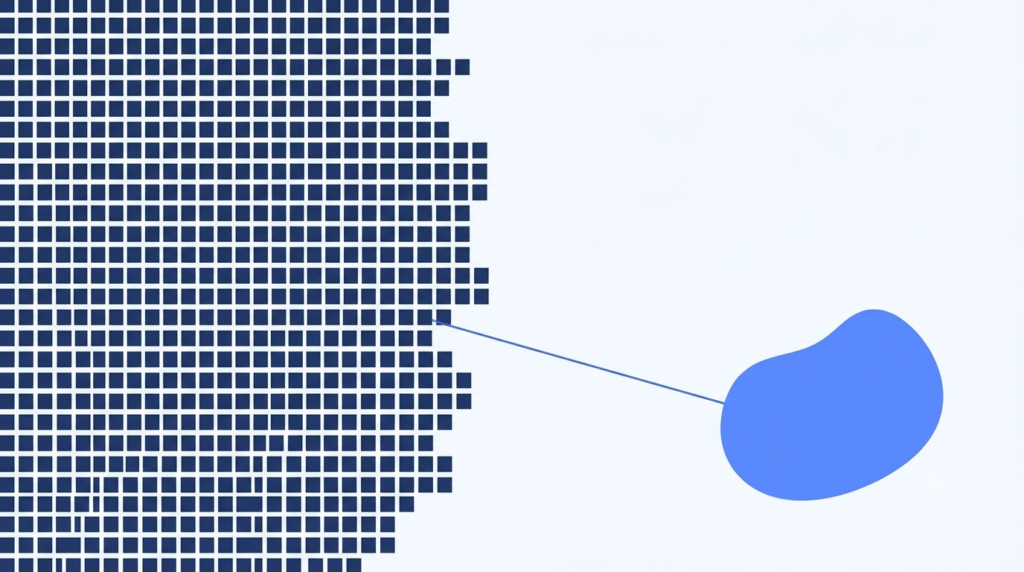
What AI has actually taken over
Be precise about this, because the vague version of “AI is replacing SDRs” isn’t useful. What AI reliably handles now:
- Account and contact research — pulling firmographic data, tech stack, recent news, and funding signals in seconds instead of the 20+ minutes a rep used to spend per account.
- First-draft outreach — generating personalized email and LinkedIn copy based on researched signals, though it still needs a human edit pass before sending.
- Sequencing and follow-up logistics — running multi-touch cadences, timing sends, and handling routine no-response follow-ups.
- CRM hygiene — logging activity, updating fields, and keeping records clean, which used to eat a meaningful chunk of an SDR’s day.
Industry data backs up how big this shift is: sales teams using AI-assisted outreach see personalized, AI-written emails outperform generic human templates by a wide margin in reply rate, and companies deploying AI SDR tools report meaningful drops in SDR burnout as the most repetitive parts of the job get automated away (DevCommX AI SDR statistics roundup).
What AI still can’t do — and this is the part that matters for your career
The consistent finding across every credible source on this, not just vendor marketing, is that AI is best at volume and worst at judgment. Specifically, human SDRs still outperform AI at:
- Handling objections that don’t fit a template. When a prospect raises a nuanced concern about budget timing or internal politics, that requires reading between the lines, not pattern-matching to a script.
- Navigating multi-stakeholder deals. Understanding who actually influences a decision inside a buying committee is relational work, not something you can fully automate (Monday.com on hybrid SDR teams).
- Strategic account thesis work. Deciding which signals matter for which personas, and adapting the angle account by account, is still a human call.
- Building real relationships with strategic accounts over time, which is fundamentally different work than running a sequence.
The framing that’s holding up across 2026 reporting isn’t “AI vs. human SDRs” — it’s a hybrid model, where AI handles the repeatable and humans handle the judgment calls (Apollo on the evolving SDR role).
The honest part: team sizes are shrinking
It would be dishonest to leave this out. Some SaaS teams are reducing SDR headcount as AI absorbs the volume work — one analysis found companies cutting SDR/BDR headcount more than any other sales function this year (SaaStr on hiring VPs of Sales in the AI era). But the SDRs who remain are doing meaningfully different, higher-leverage work — reviewing AI output, running strategic plays on high-priority accounts, and owning quality over quantity. Fewer, more senior SDRs, better equipped, is the pattern showing up across teams that have made the shift well.
That’s actually good news if you’re building a career rather than clocking activity metrics. The bar is higher, but so is the ceiling.
The skills that separate SDRs who thrive from SDRs who get automated out
- AI workflow fluency. Not “I’ve used ChatGPT” — knowing which tools to deploy for which task, how to prompt for quality output, and critically, how to spot and fix AI-generated content that sounds generic or gets facts wrong.
- Judgment over activity. The metrics that matter now are pipeline quality and handoff quality, not dials made or emails sent — AI already does volume better than any human can.
- Discovery and objection handling depth. This has always mattered, but it’s now the primary differentiator instead of one skill among many.
- Data literacy. Every AI output is only as good as the data underneath it. SDRs who understand data hygiene and know when to trust or override an AI-generated score will outperform those who just accept whatever the tool says.
- Social selling and personal brand. Buyers research reps before engaging with them. A credible, active presence on LinkedIn compounds in a way a cold sequence never will.
What this means if you’re building an SDR career right now
The old advice — grind activity volume, hit your dial numbers, get promoted to AE in 18 months — still points in the right direction, but the “how” has changed. Spend your time learning to supervise and improve AI output rather than competing with it on speed. Get sharp at discovery calls and objection handling early, since that’s the part of the job least likely to be automated. And treat your LinkedIn presence as part of the job, not an extracurricular.
If you’re hiring SDRs rather than being one, the implication is just as direct: the AI-proficiency test matters as much as the classic sales aptitude test now. A candidate who’s fluent with AI tools but weak on discovery skills will underperform a candidate strong on both — but a candidate strong on neither won’t survive 2026’s higher bar.
This is exactly what we build into GTM Playroom’s SDR training and our sales hiring scorecards — assessing candidates (and coaching current SDRs) on the judgment and discovery skills that actually predict performance once the AI tooling is standard-issue everywhere.
If you’re an SDR looking to build the skills that matter now, or a sales leader rethinking what “good” looks like on your team, get in touch — this is the exact gap our training and hiring practice is built to close.
Sources: DevCommX — AI SDR Statistics 2026, Monday.com — Will AI Replace SDRs?, Apollo — How Is the SDR Role Evolving?, SaaStr — 10 New Rules for Hiring a VP of Sales in the Age of AI
Related Articles


Want to Apply These Insights?
Book a 45-minute GTM diagnostic and get a clear roadmap for your next 30-60-90 days.